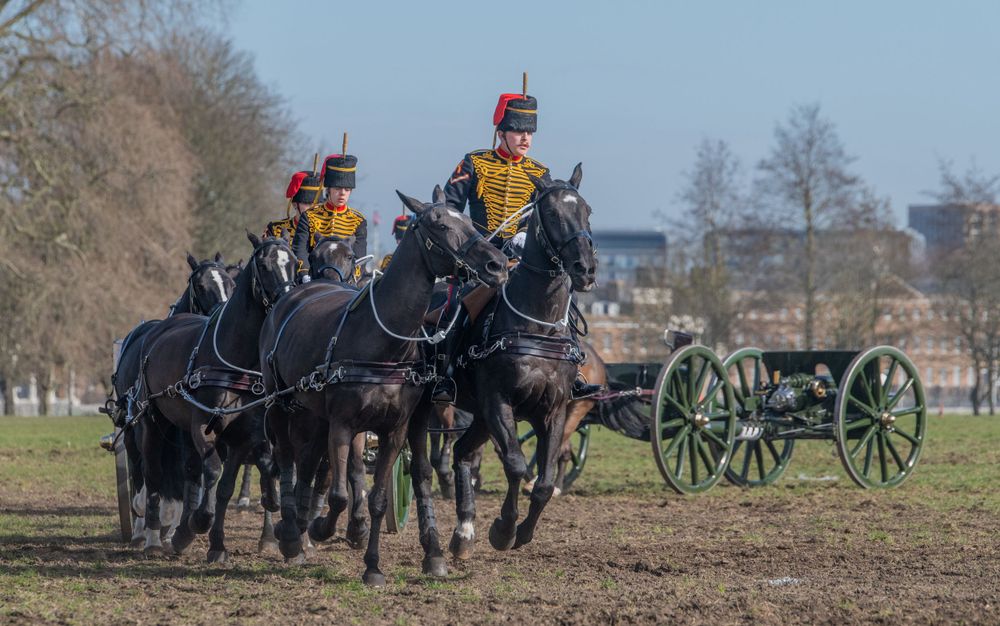
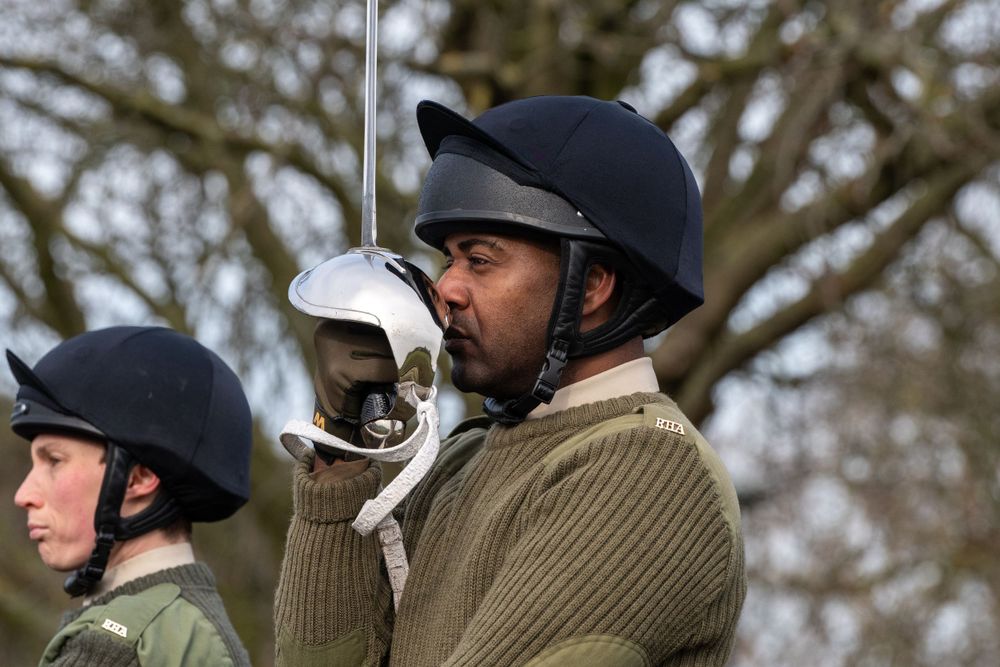
The King's Troop RHA
The King's Troop, Royal Horse Artillery, was formed in its modern incarnation in 1947 by King George VI.
The formation of this troop was part of the post-World War II restructuring and reorganization of the British Army.
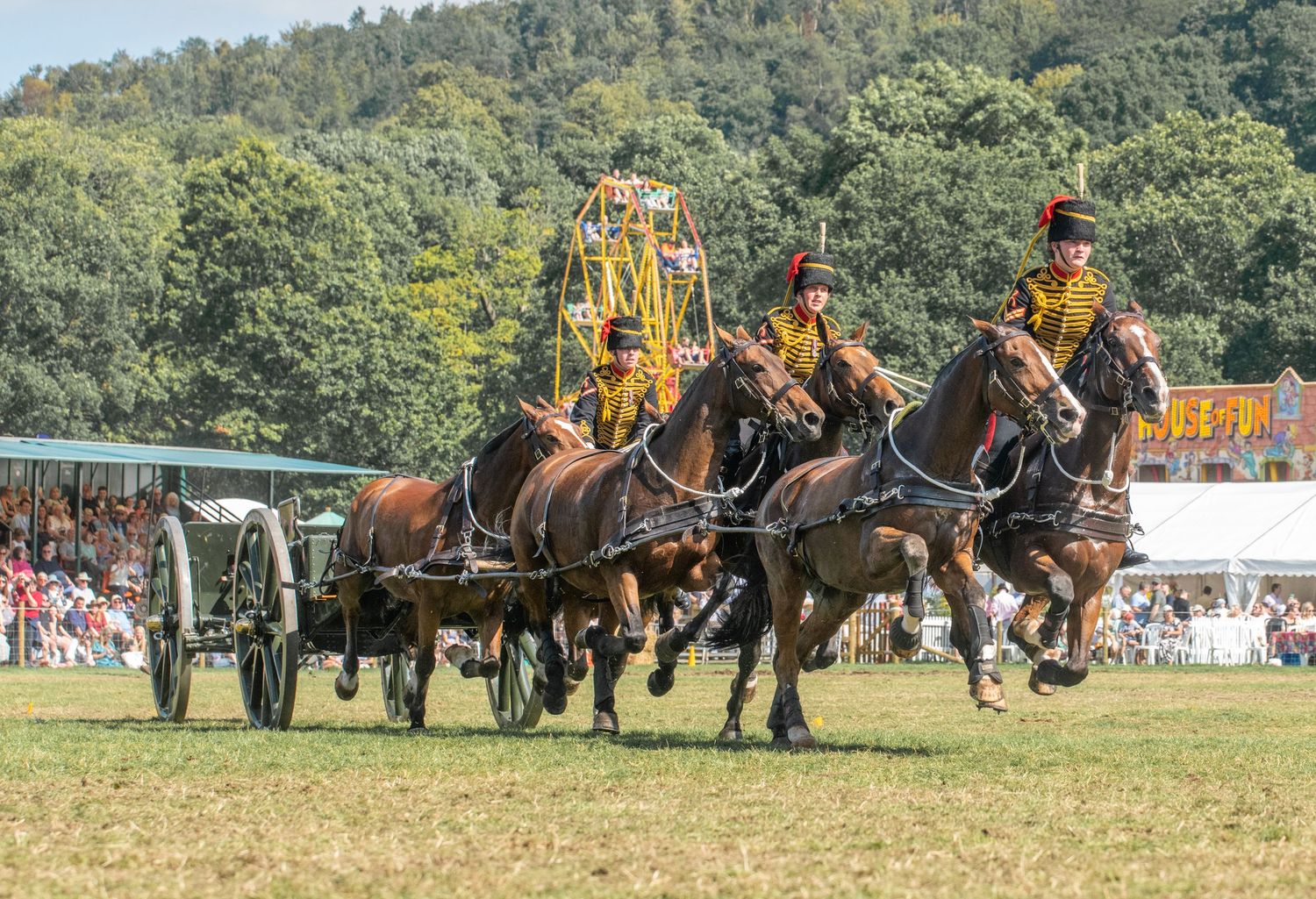
Who are the King's Troop?
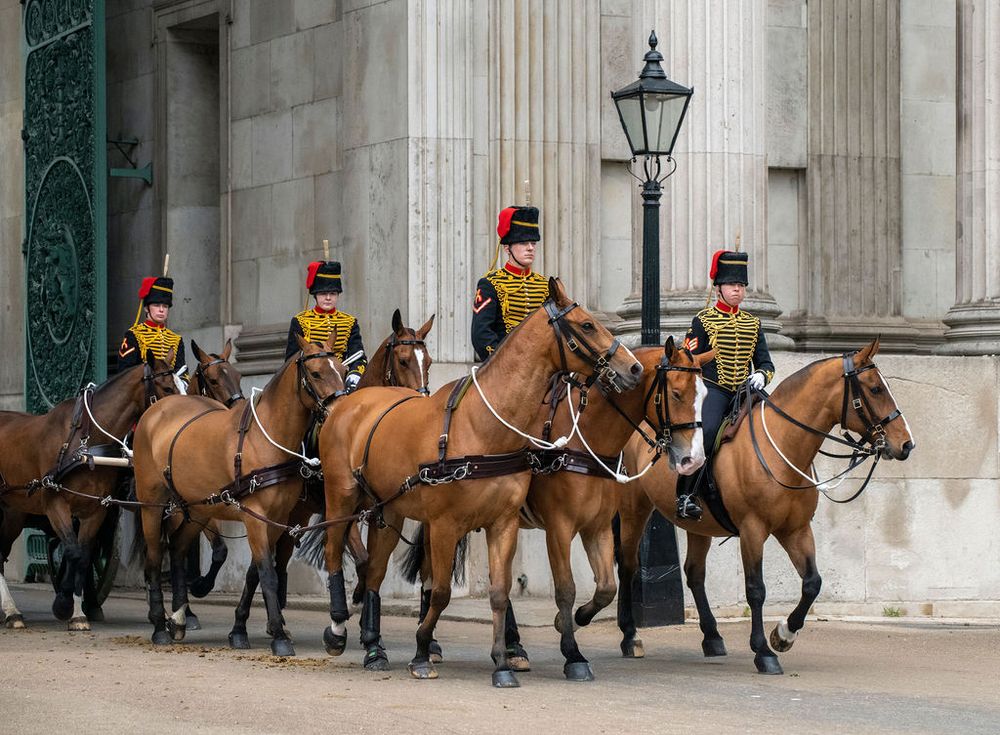
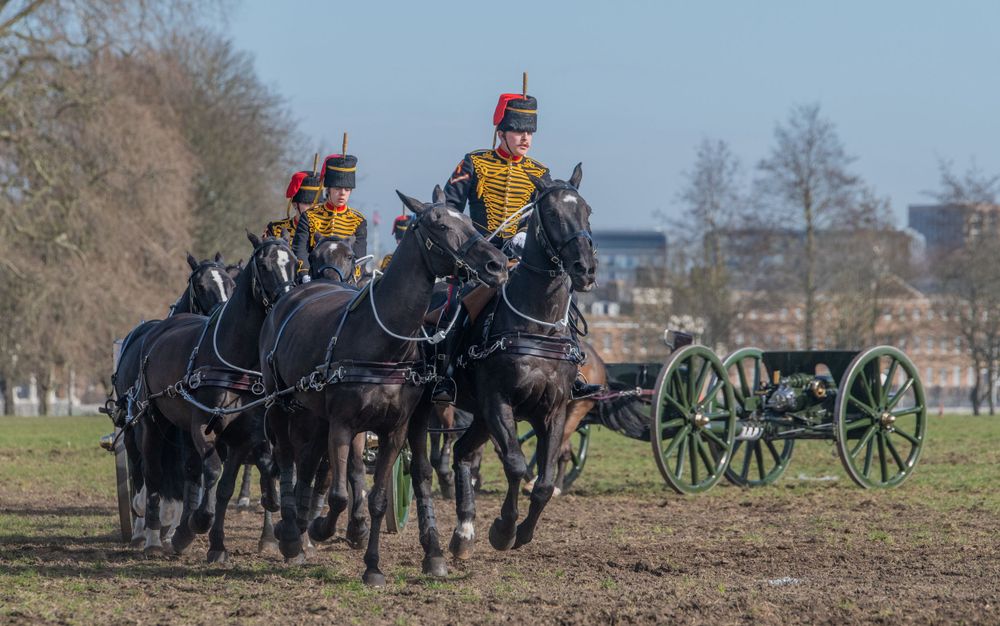
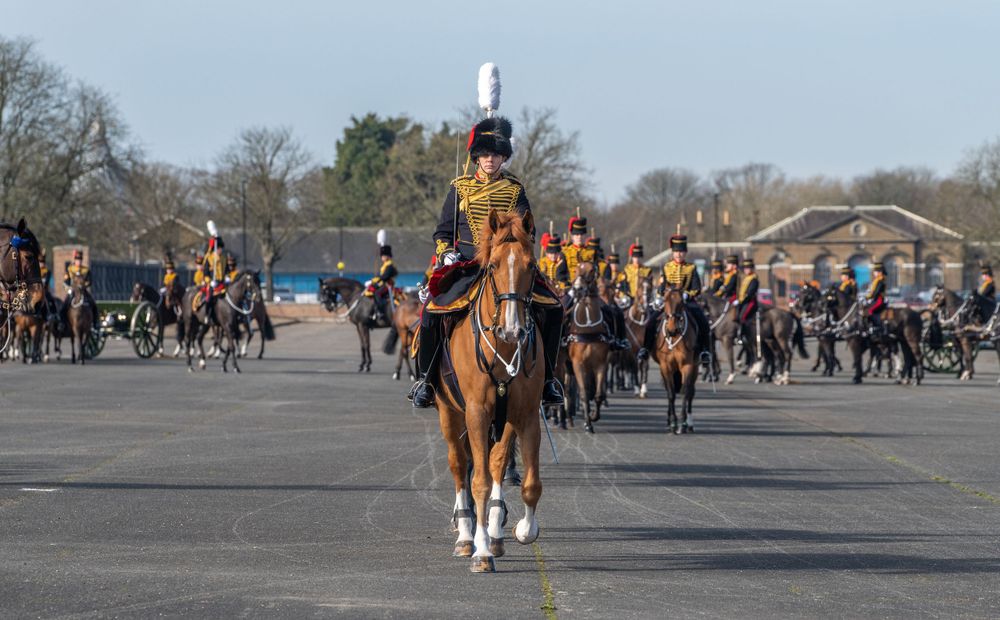
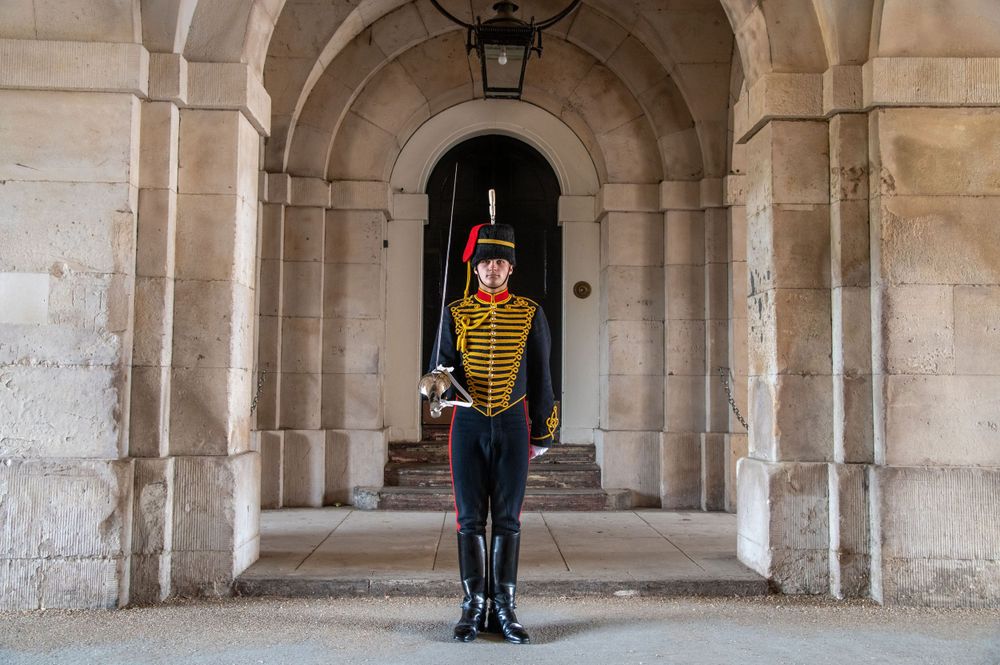
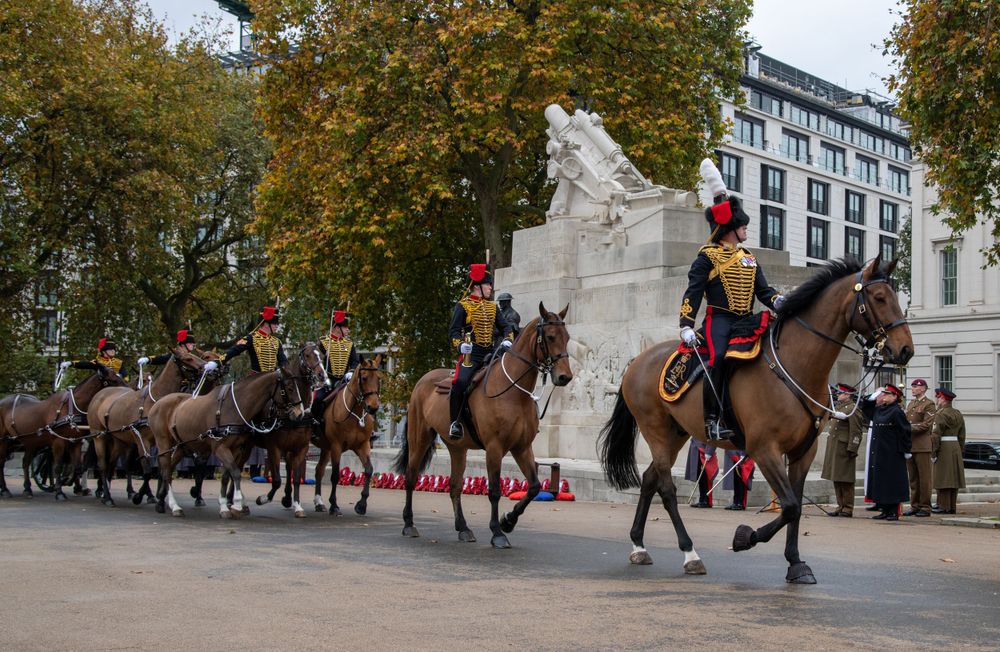
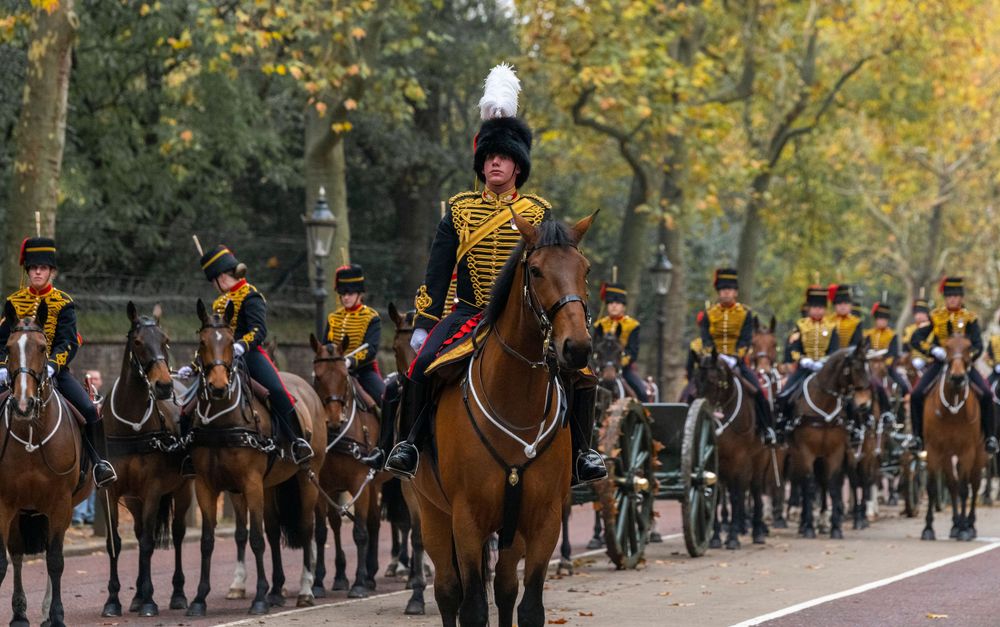
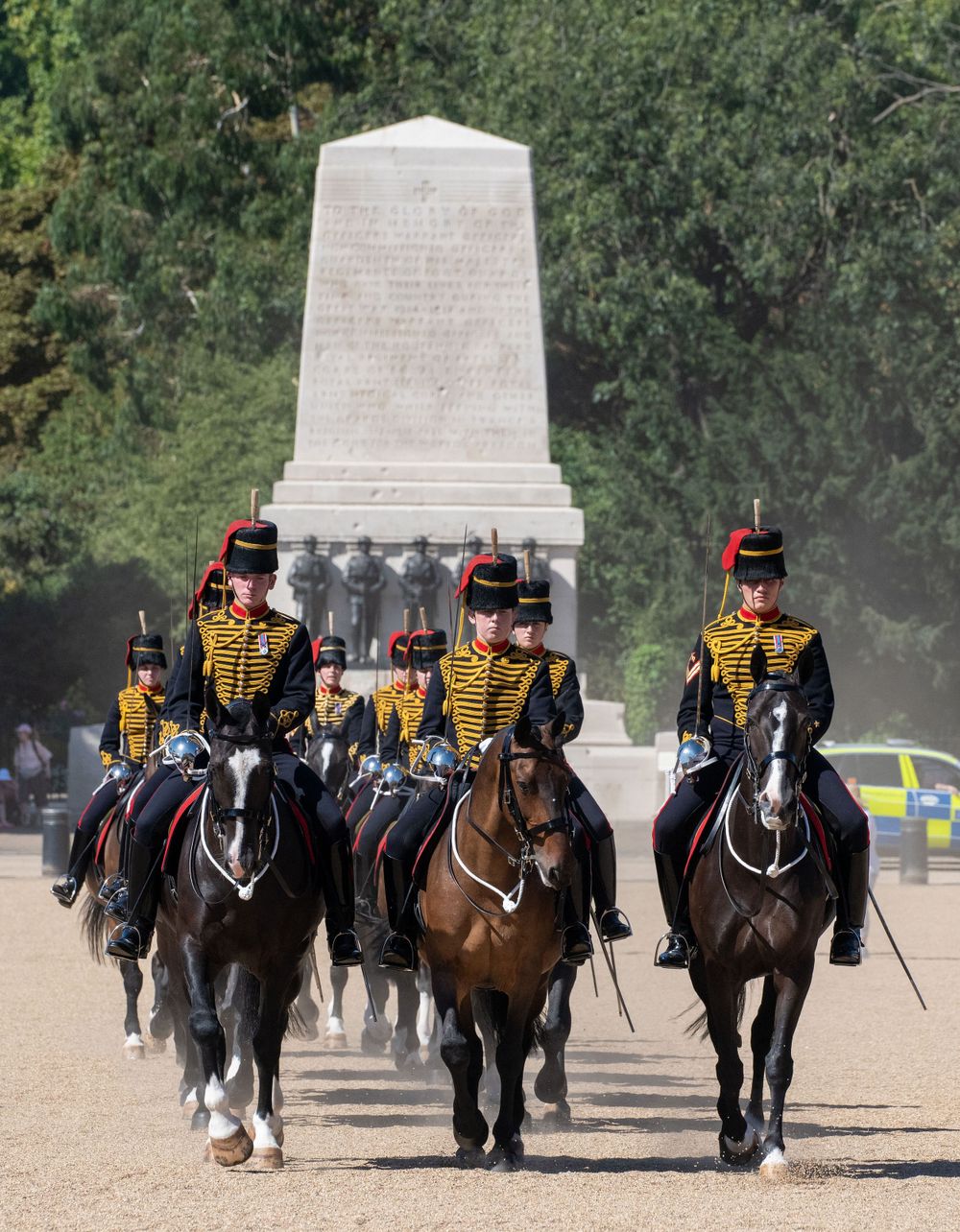
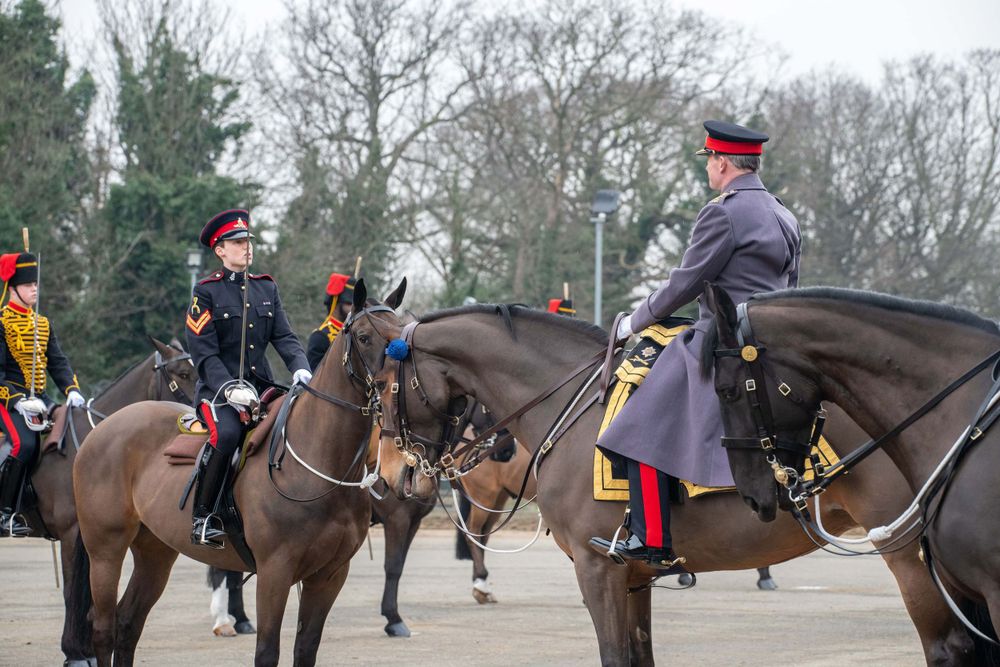
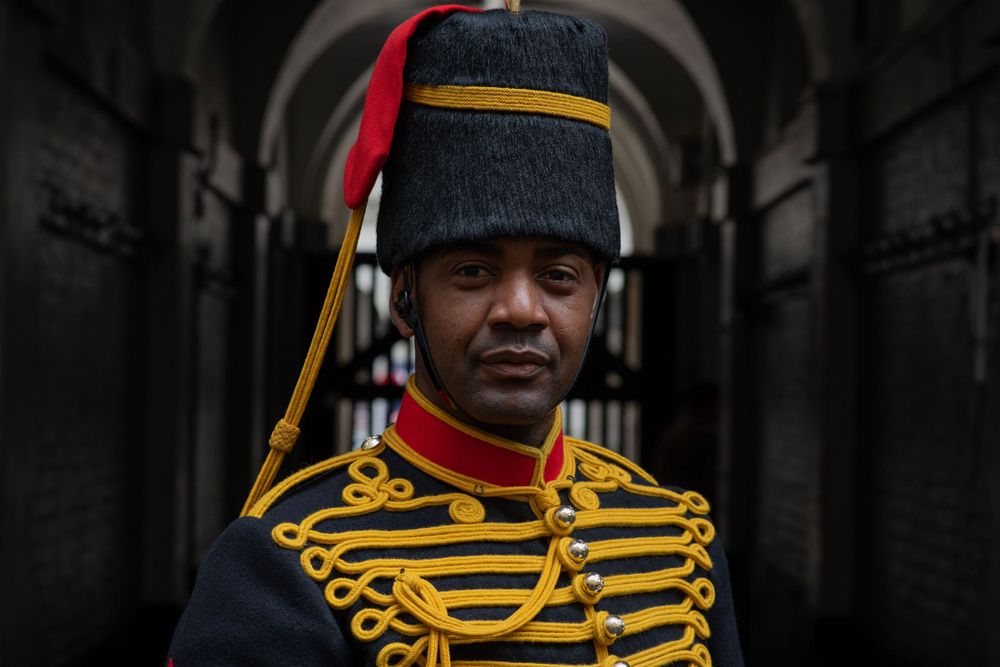
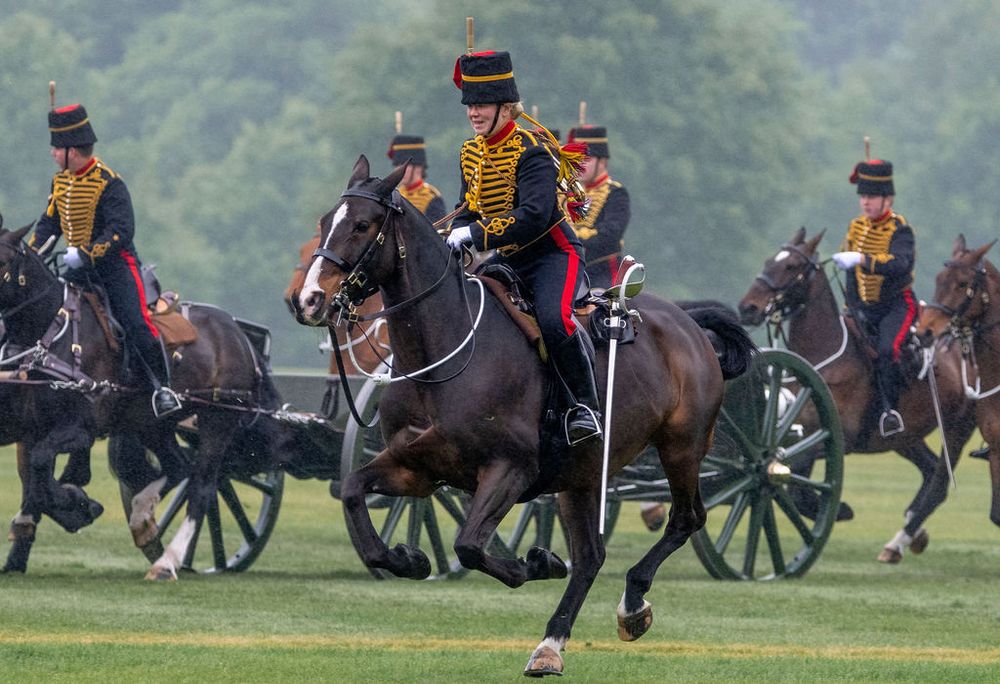
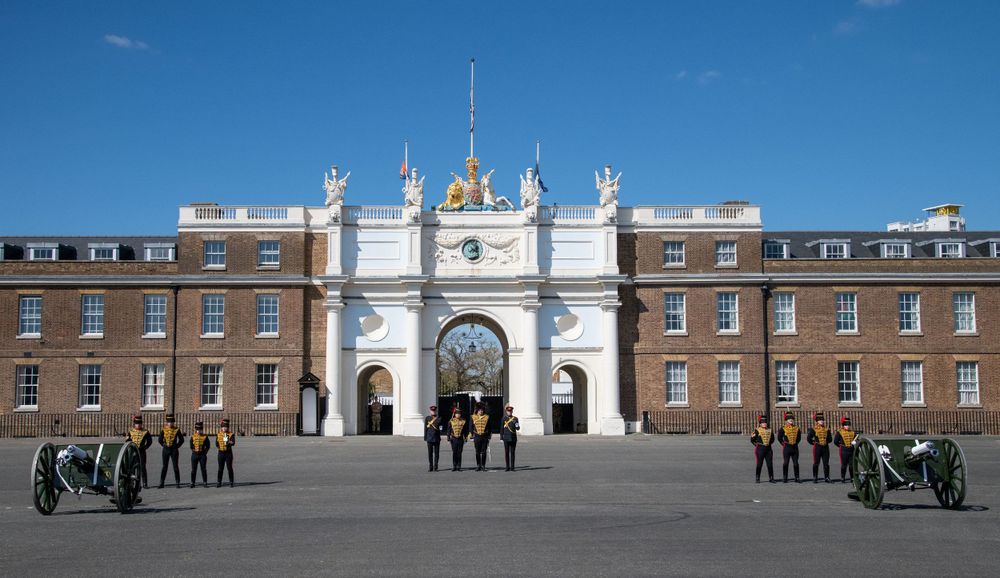
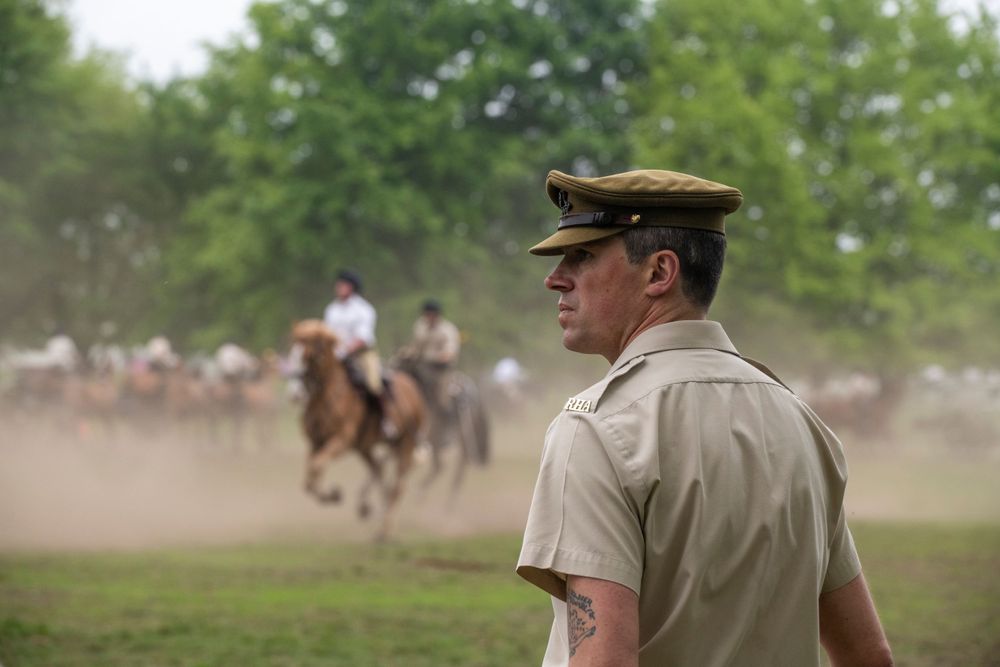
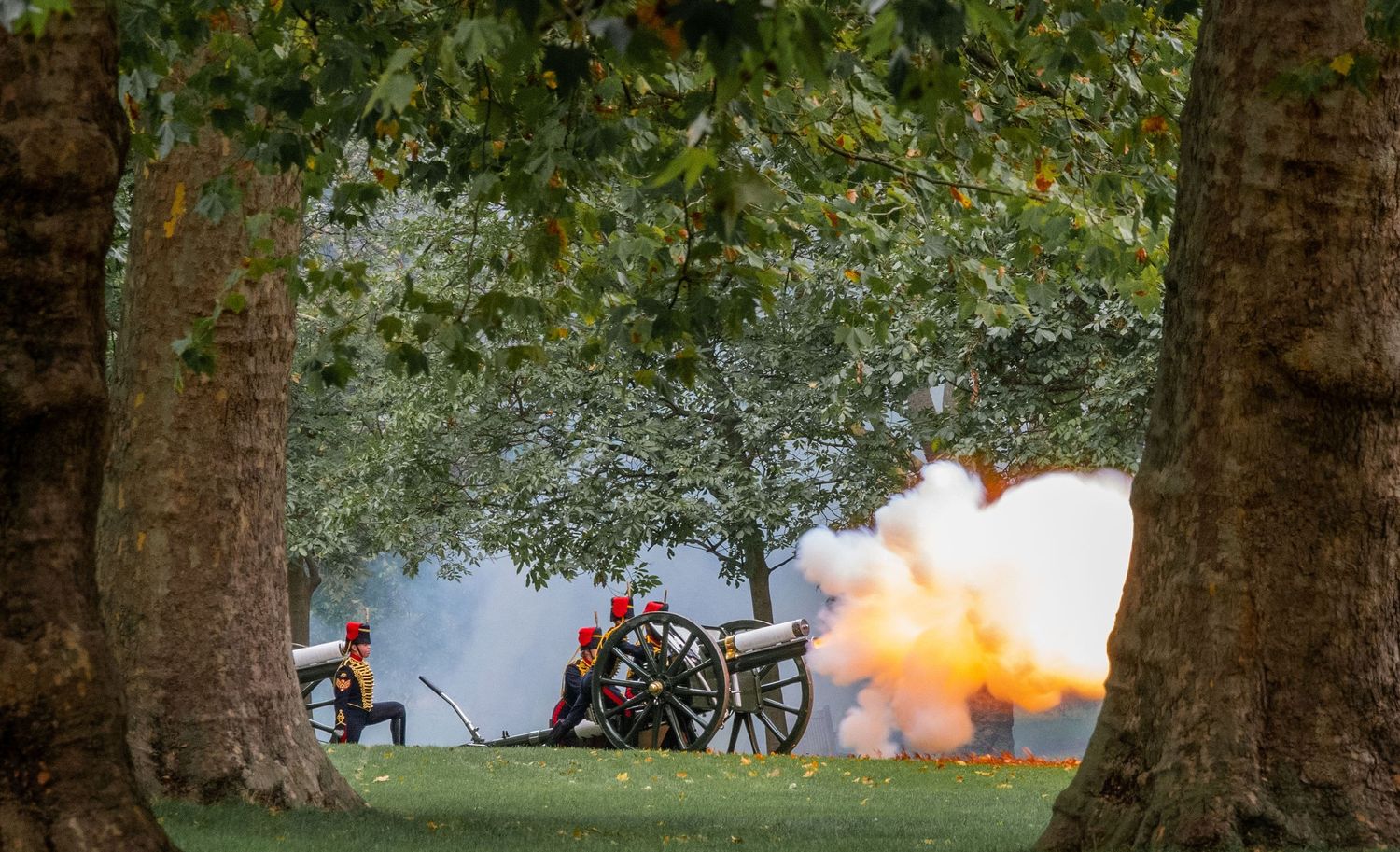
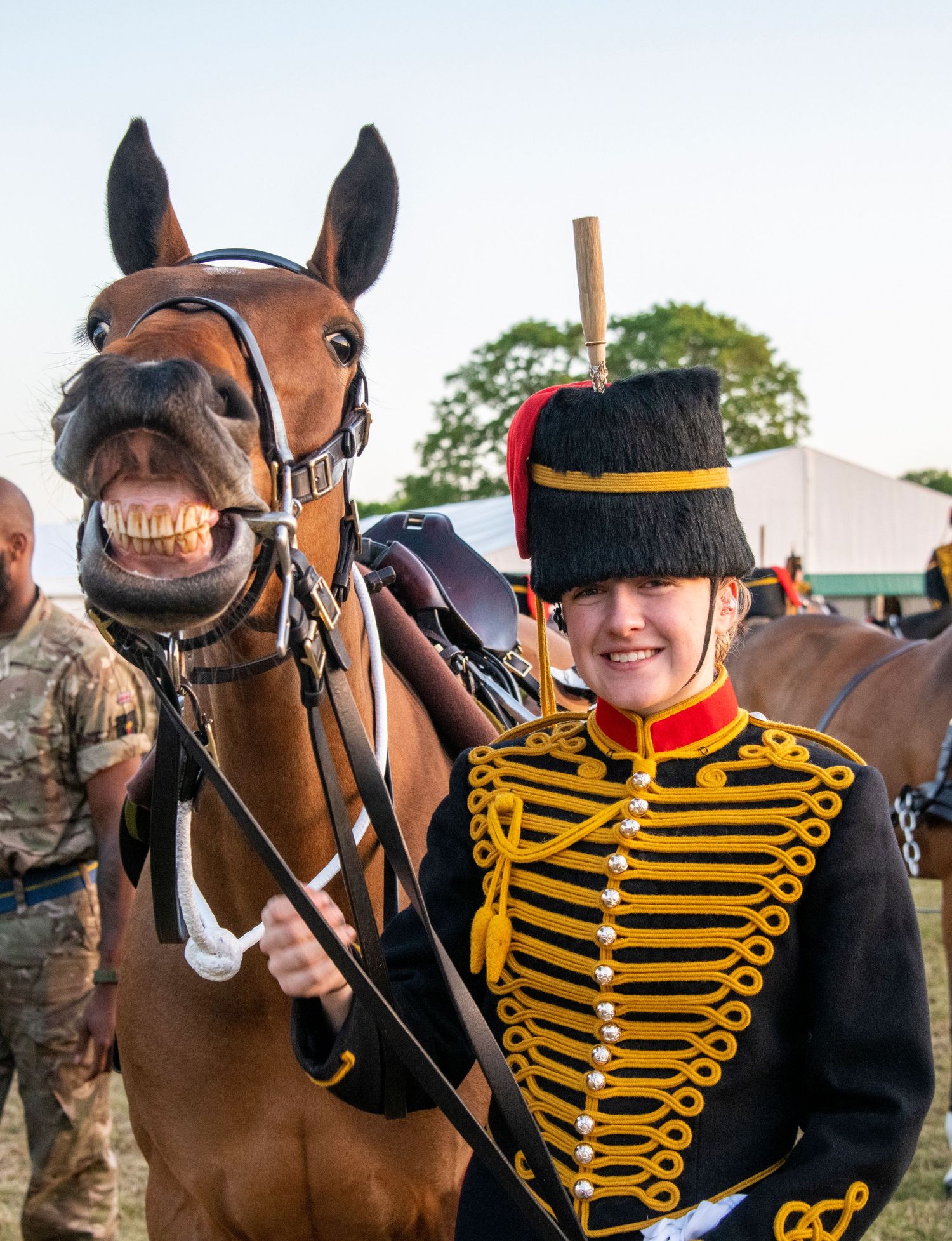
The King's Troop, Royal Horse Artillery, is a ceremonial unit in the British Army that operates under the Royal Artillery.. It specializes in performing ceremonial duties, including firing gun salutes during state occasions such as funerals, opening of parliament and state visits. Known for its horse-drawn artillery, the troop adds a traditional and ceremonial touch to events, showcasing military precision and historical traditions through it's famous musical drive performance. The King's Troop is stationed at Woolwich Barracks in London.
The Guns
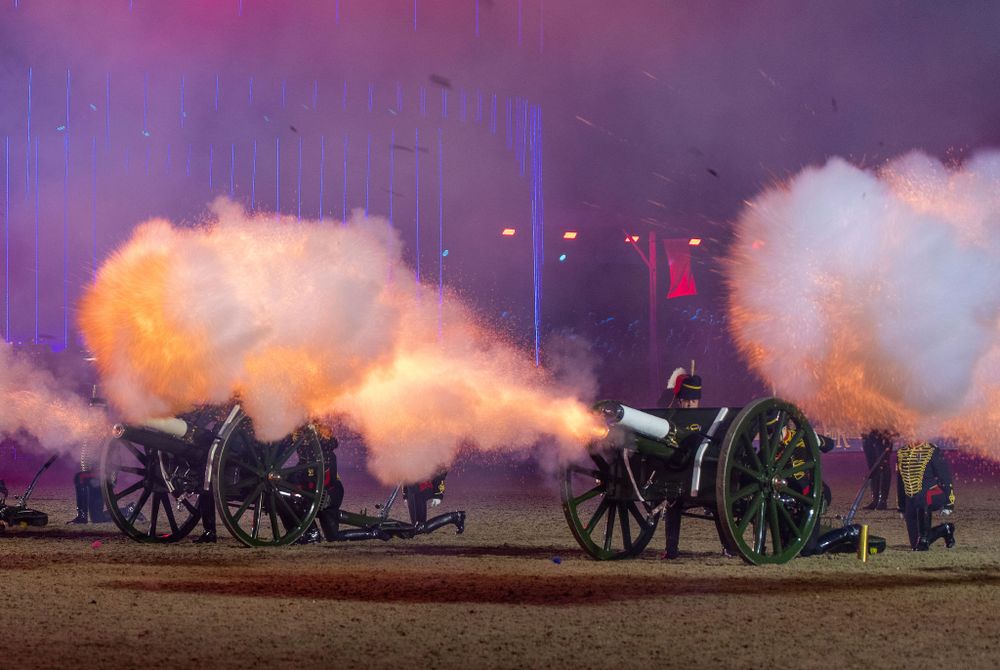
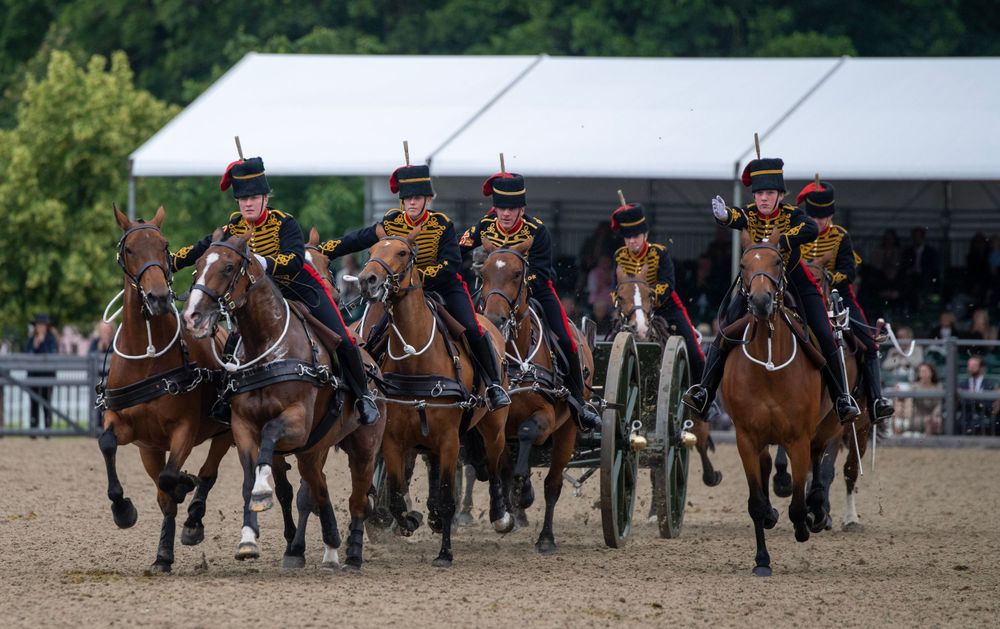
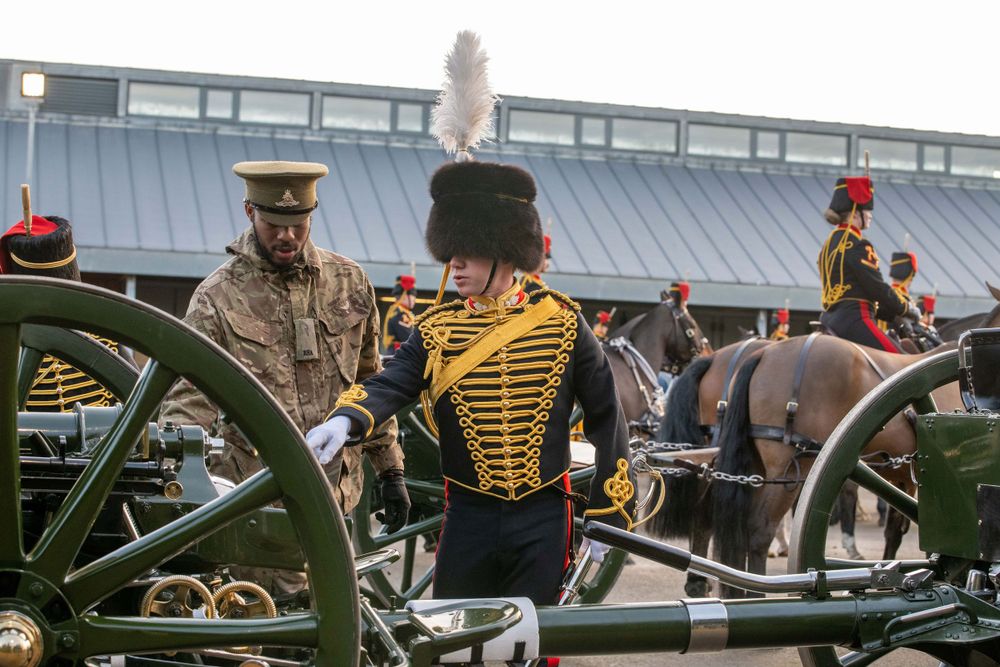
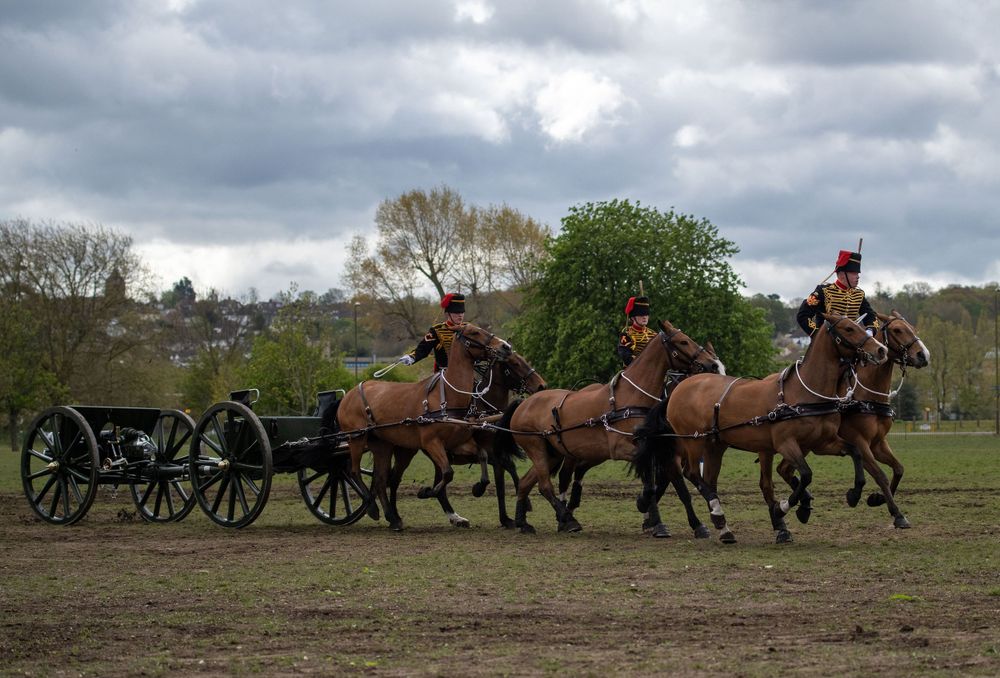
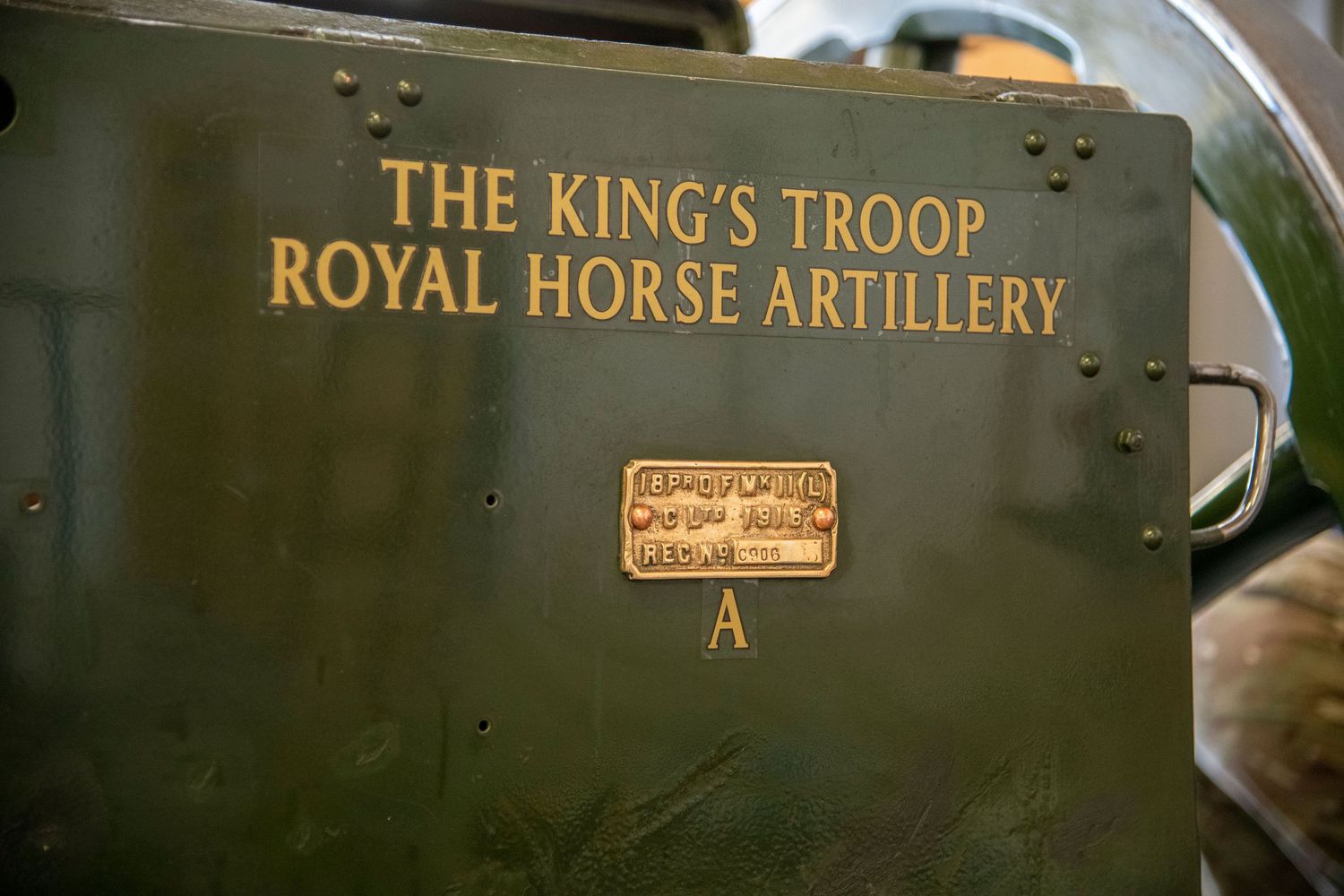
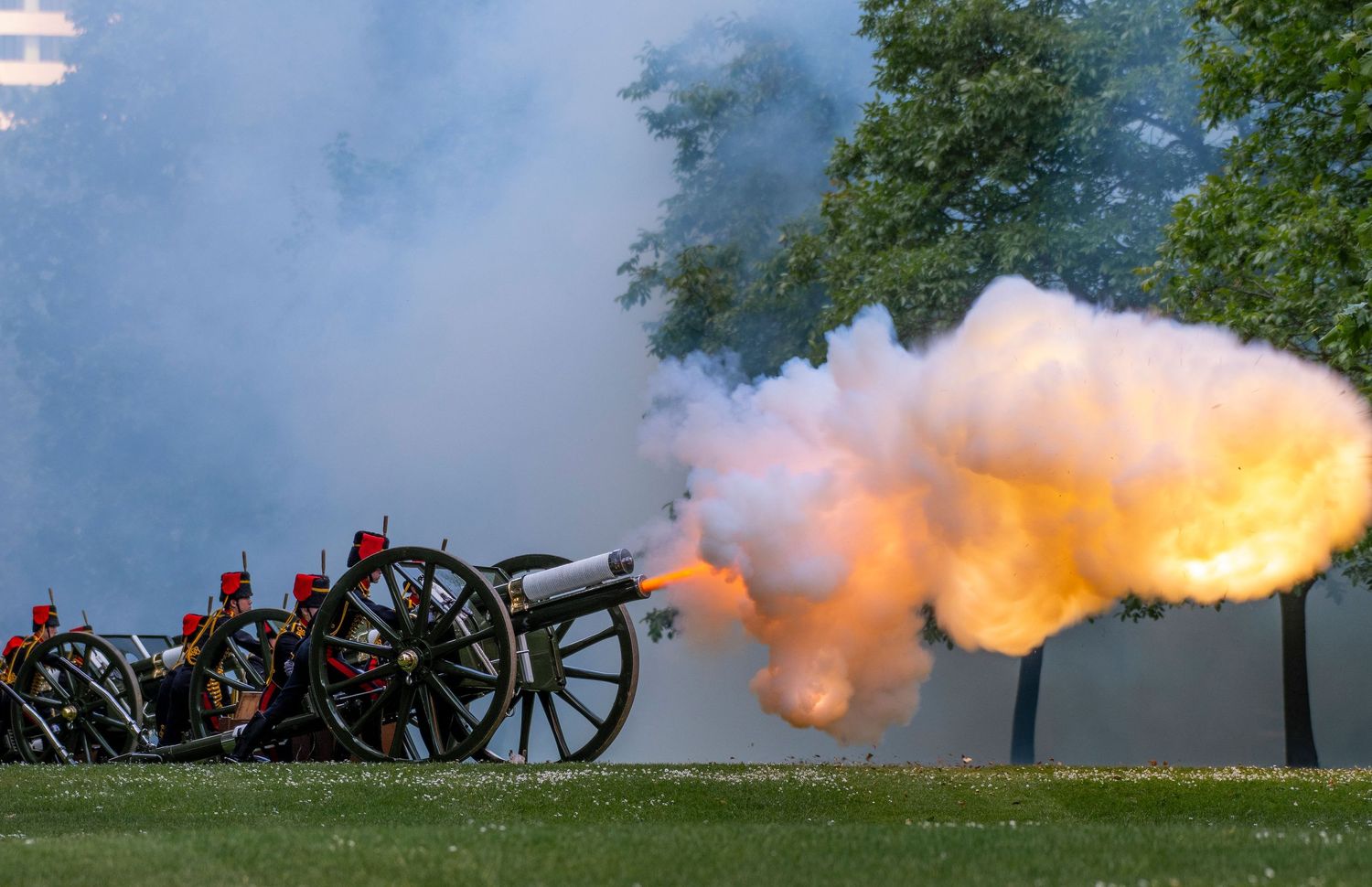
The QF 13-pounder, or Ordnance QF 13-pounder, was a quick-firing field gun used by the British and Commonwealth forces in the late 19th and early 20th centuries. It fired 13-pound shells, had a quick-firing mechanism for a faster rate of fire, and played a significant role in conflicts such as the Second Boer War and World War I. The gun's mobility, quick-firing capability, and service history contributed to its effectiveness, although it became obsolete with the advancement of artillery technology and was gradually replaced by larger-caliber weapons. The King's Troop still use six of these guns today which are fire at events marking national significance.
One of these Guns fired the first round of the Battle of the Somme in 1916, whilst the gun carraiges themselves transported Queen Elizabeth during events marking her death in 2022.
The Horses
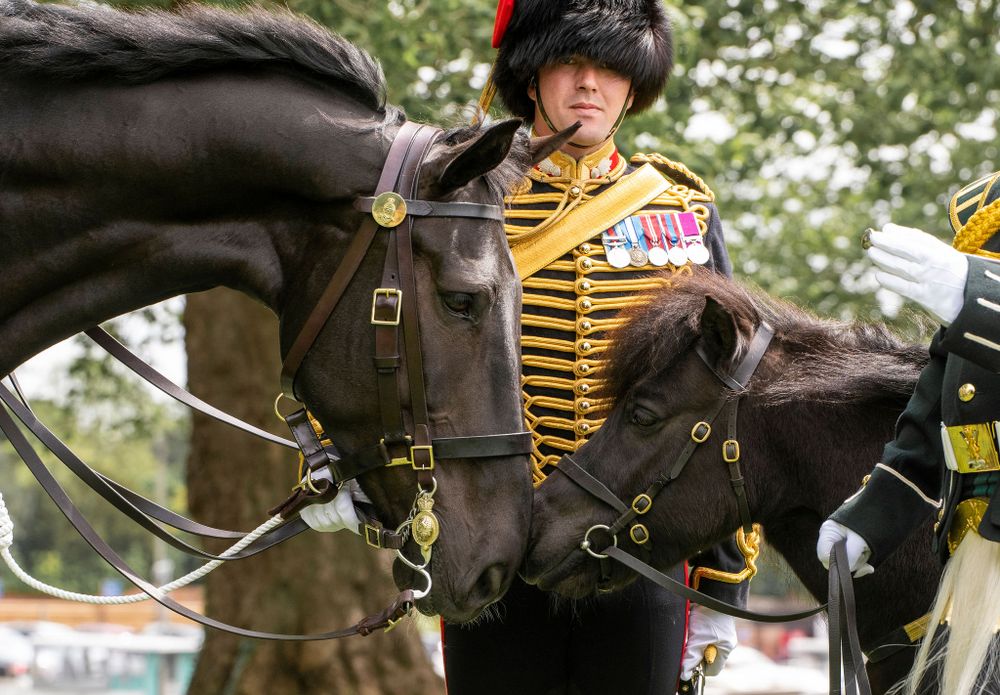
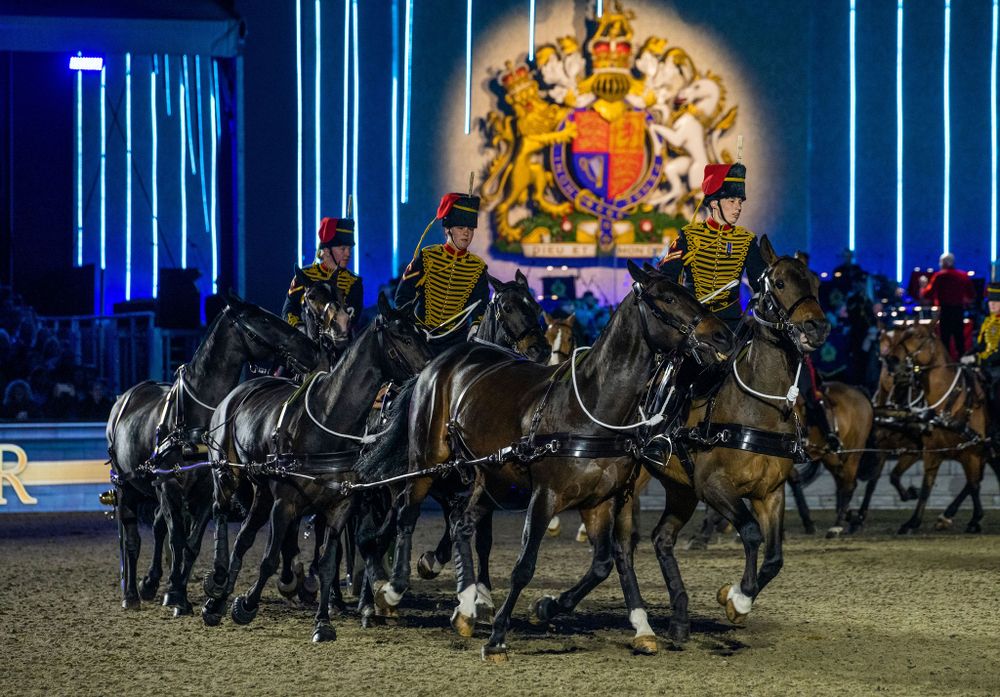
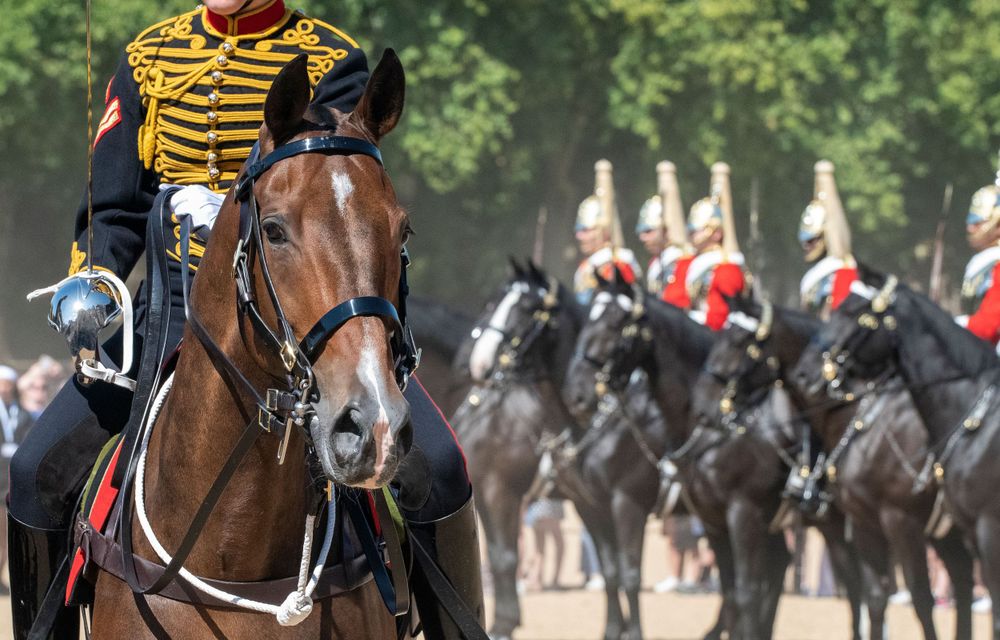
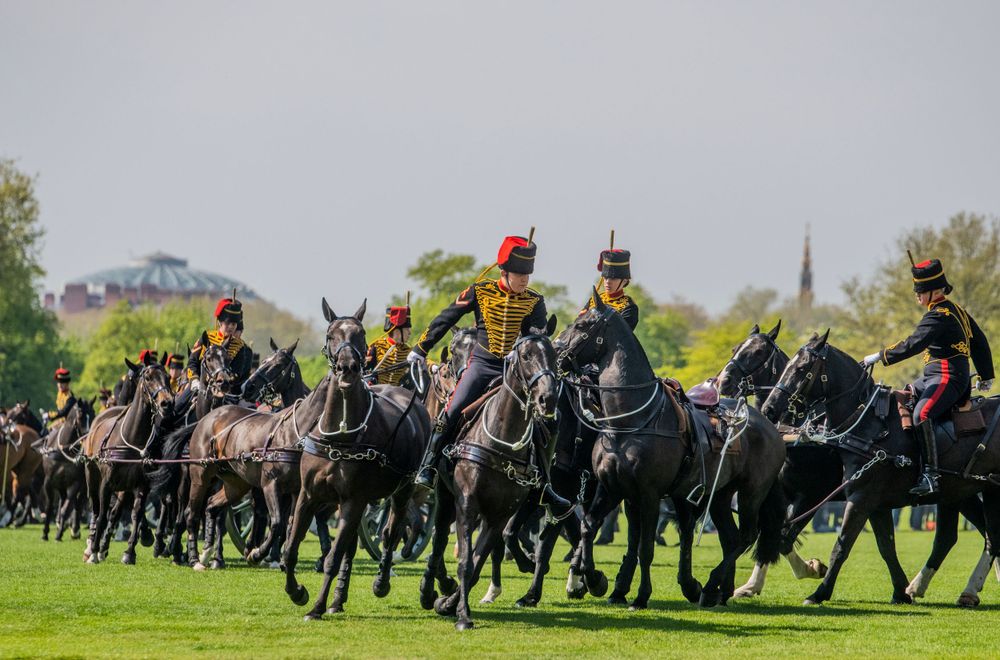
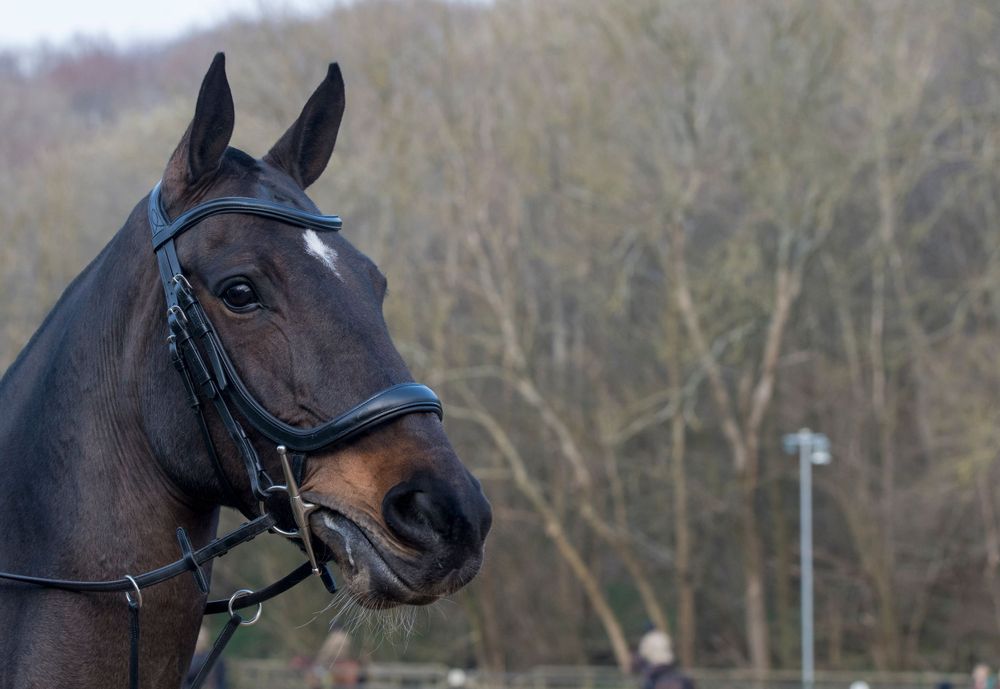
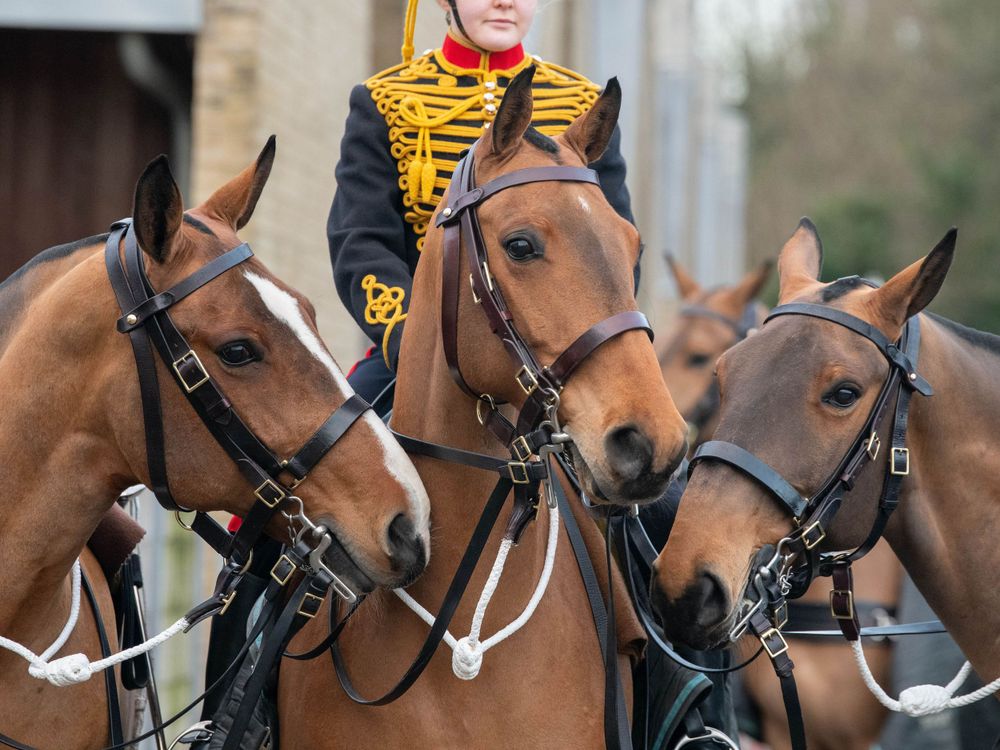
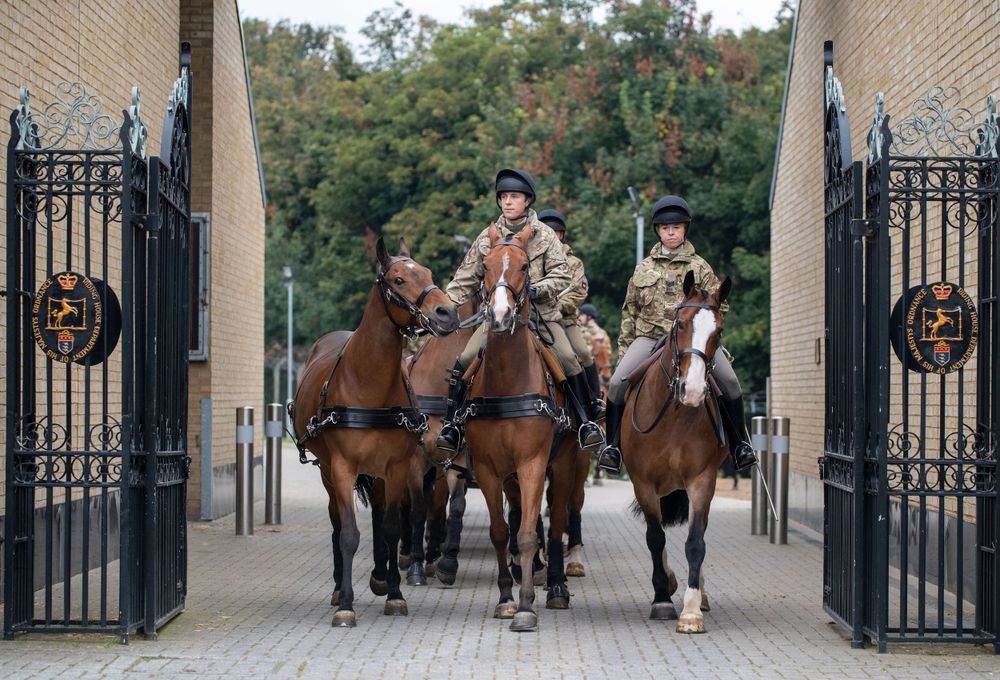
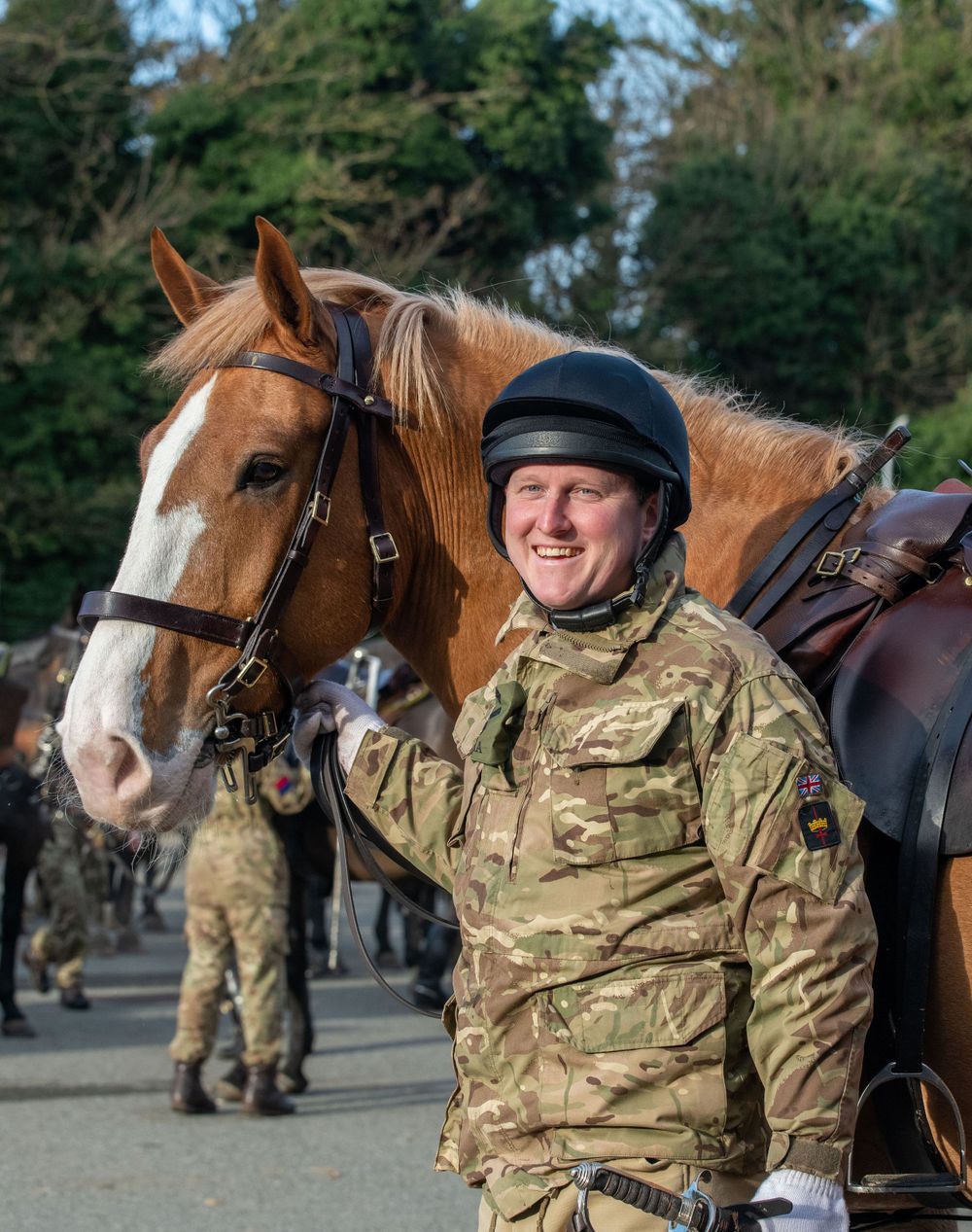
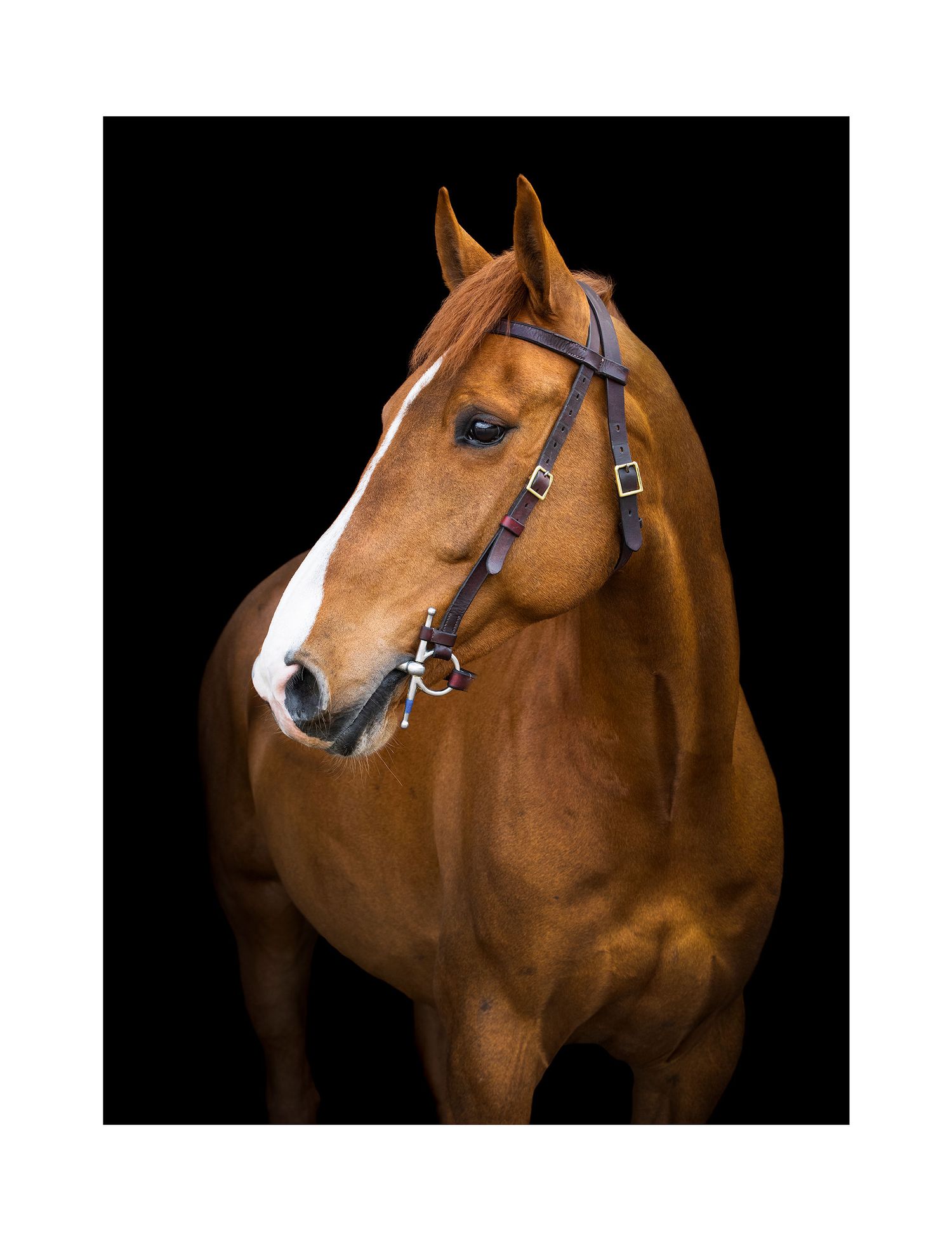
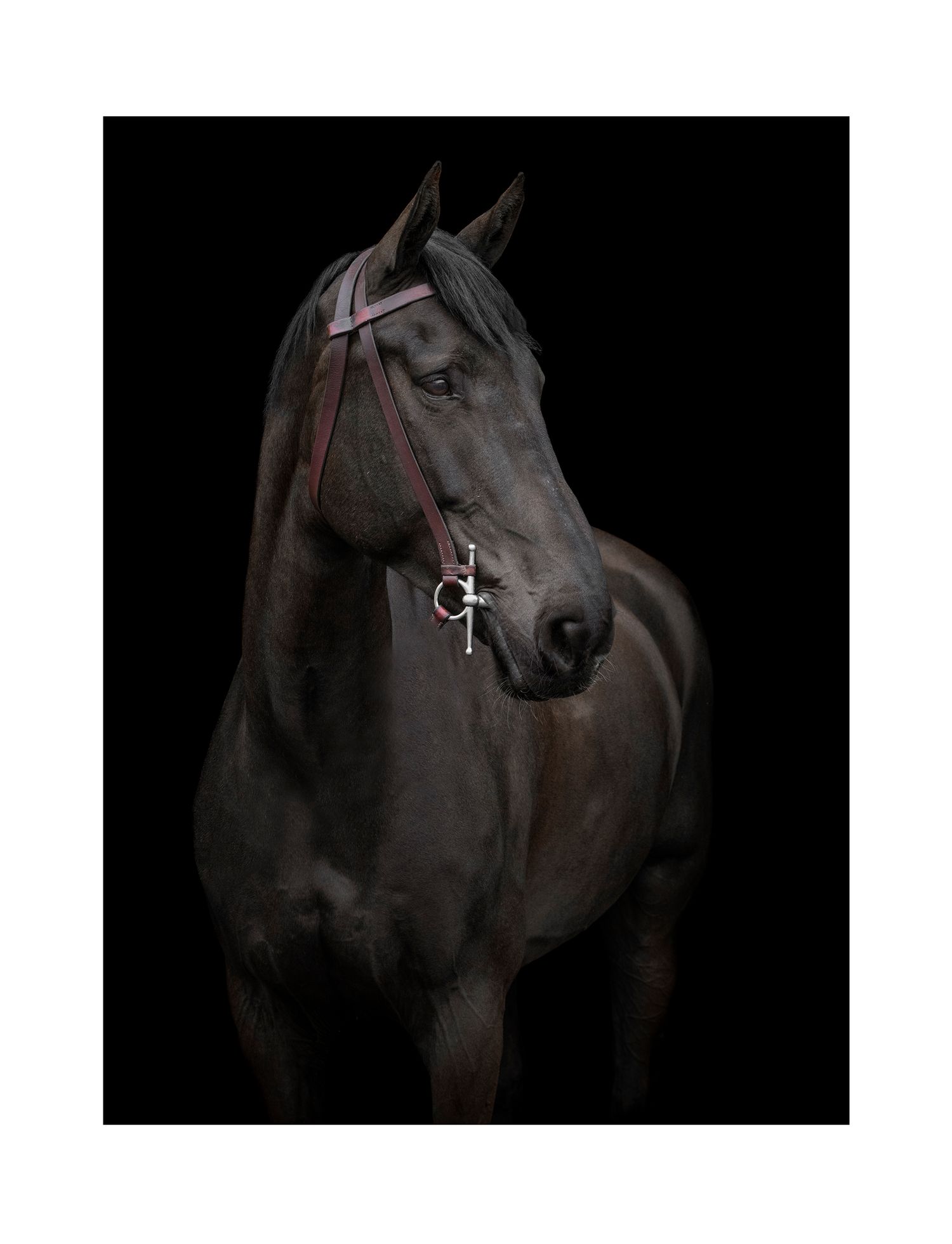
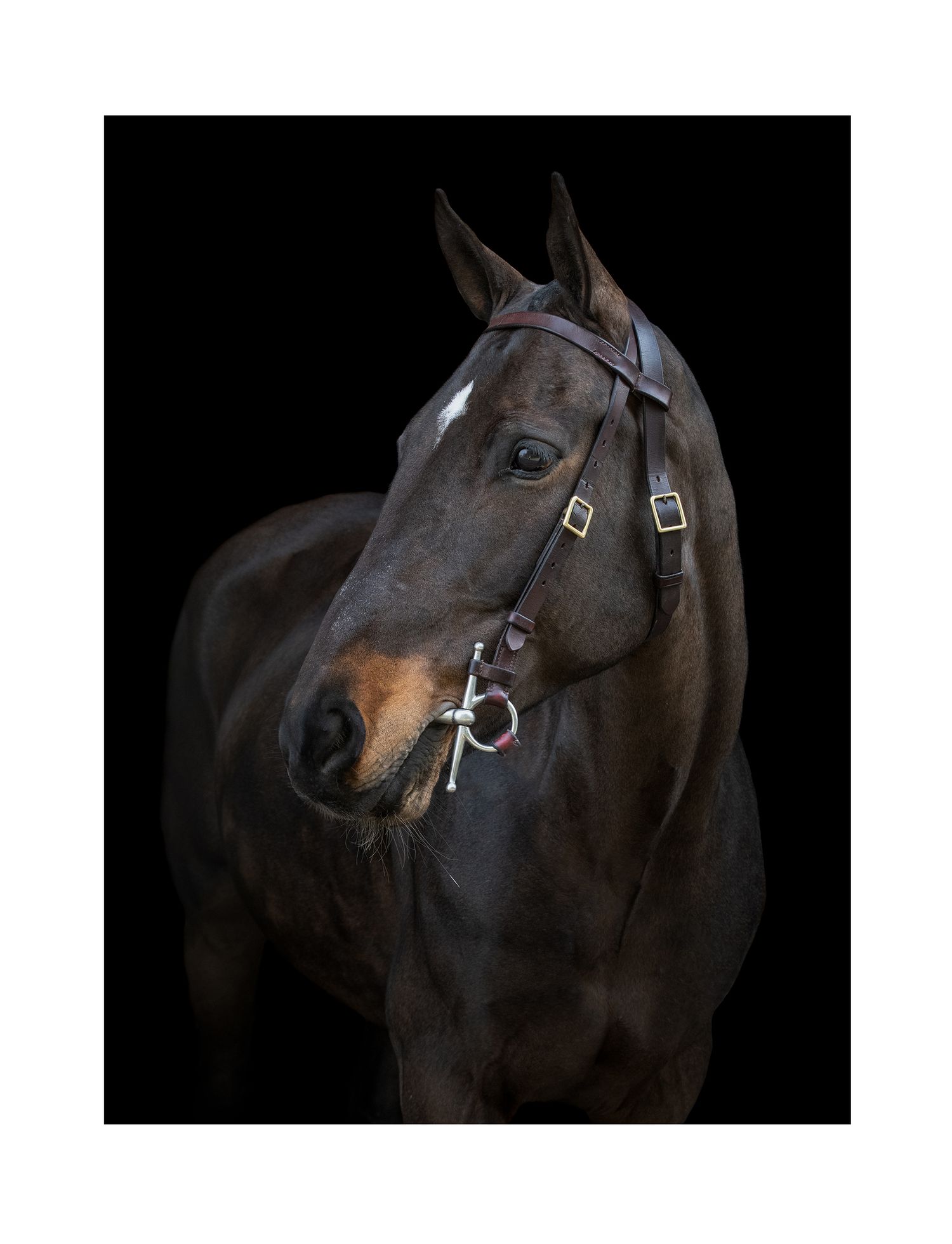
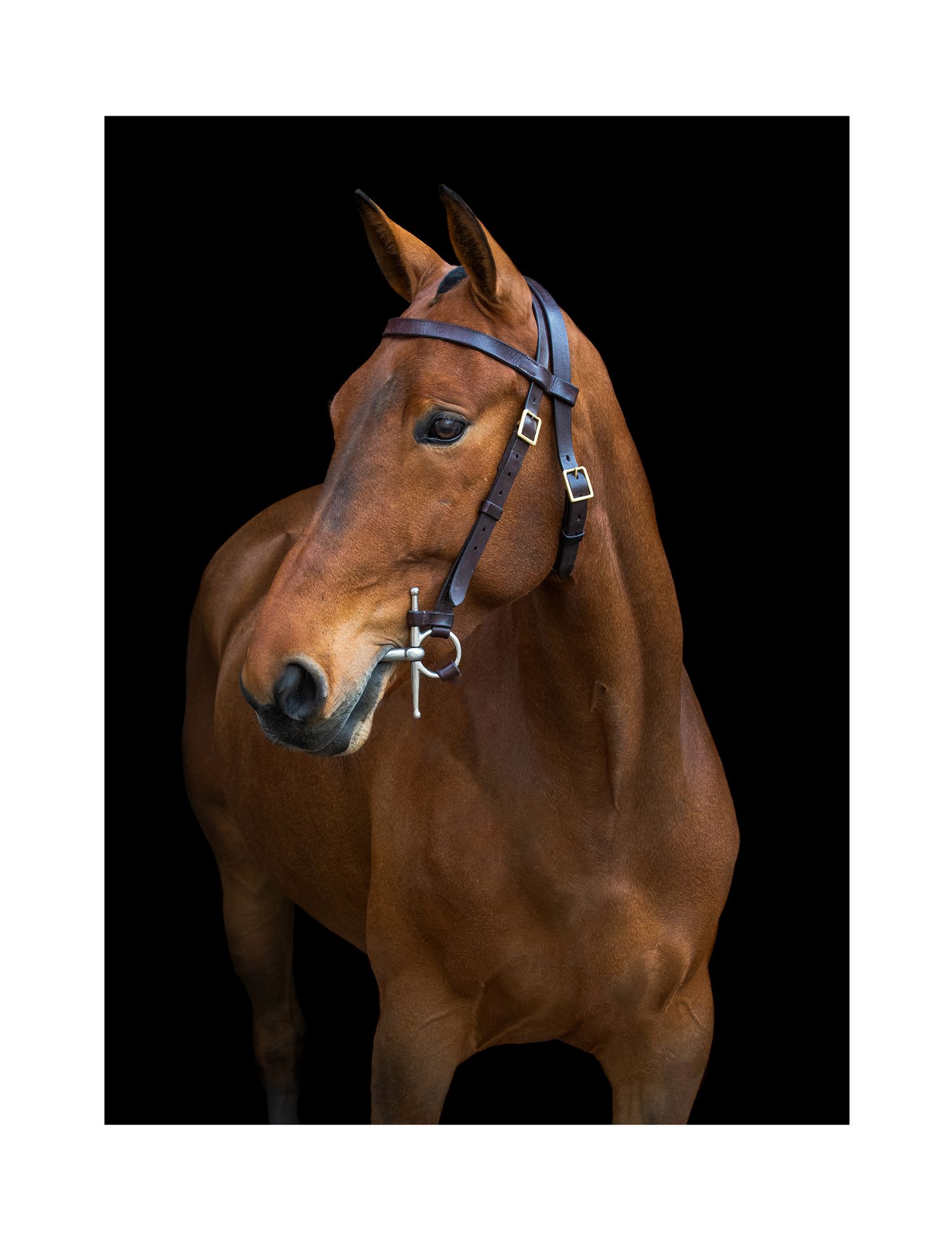
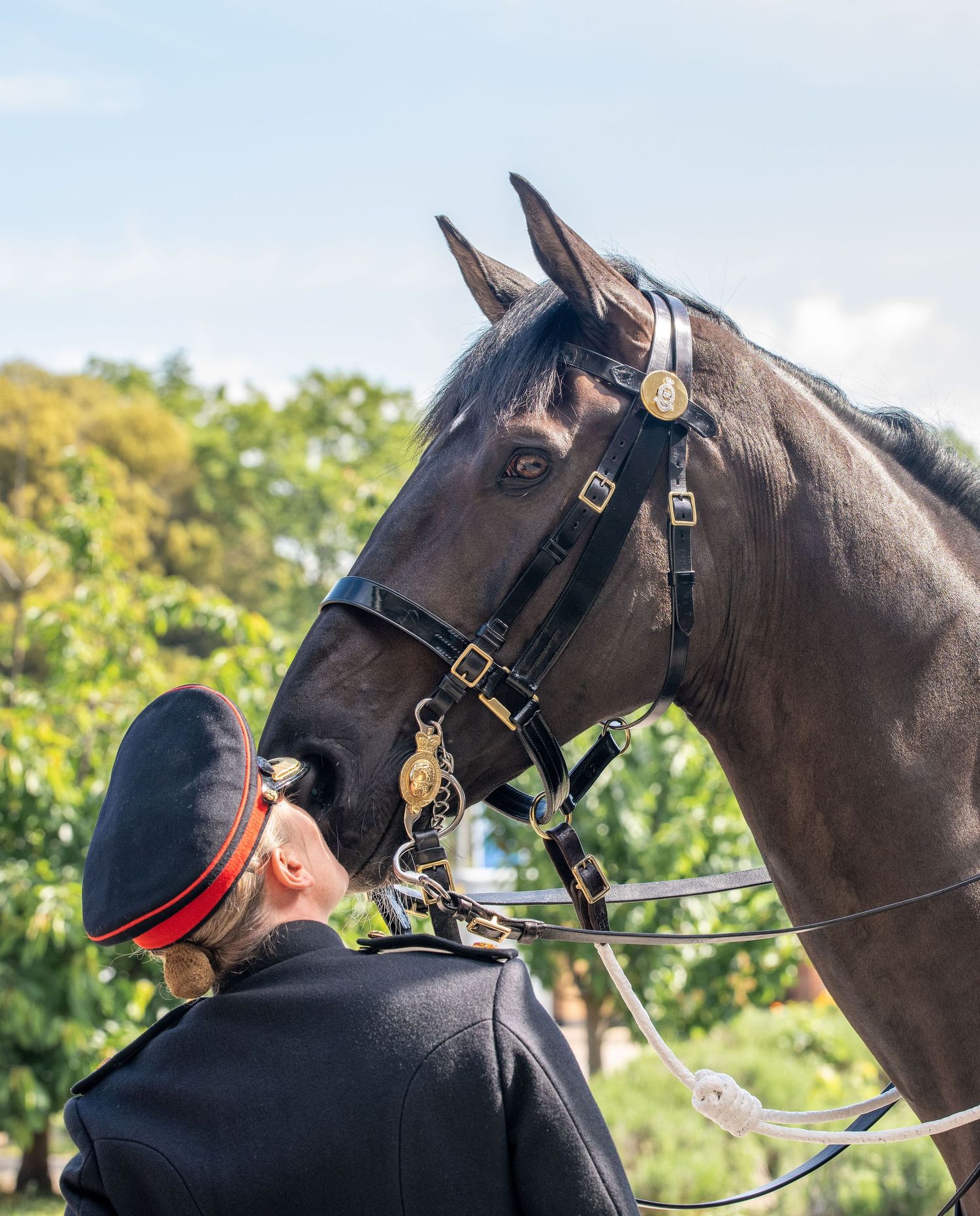
The King's Troop, Royal Horse Artillery, is known for its use of black, dark bay and bay horses in its ceremonial duties. The specific breed used by the King's Troop is the Irish Draft Horse. The Irish Draft is a versatile and strong draft horse breed that originated in Ireland. It is known for its calm temperament, strength, and suitability for various tasks, including ceremonial and military duties.
Key characteristics of the Irish Draft Horse include:
- Strength and Size: Irish Drafts are typically large and muscular horses, making them well-suited for pulling heavy loads, including artillery pieces.
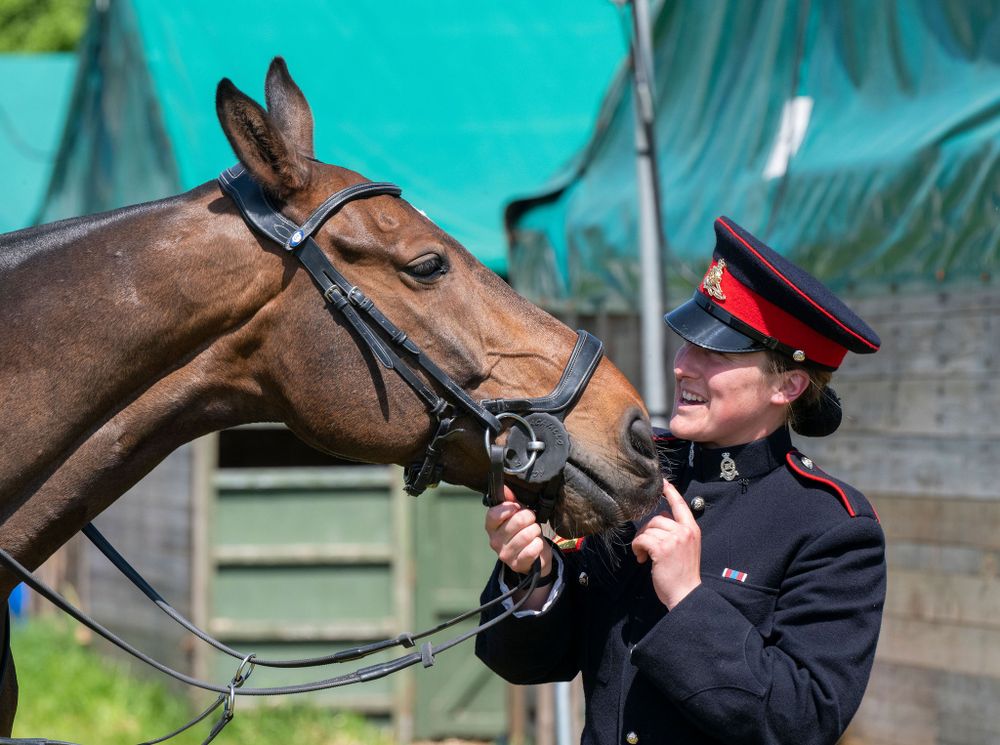
- Temperament: They are known for their gentle and calm disposition, which is essential for participating in ceremonial events and public displays.
- Versatility: While traditionally a working horse on farms, Irish Drafts have proven to be adaptable to various roles, including ceremonial duties, due to their intelligence and willingness to work.
- Color: The King's Troop often uses black or dark bay Irish Drafts, contributing to the distinctive and uniform appearance of the troop during ceremonial events.
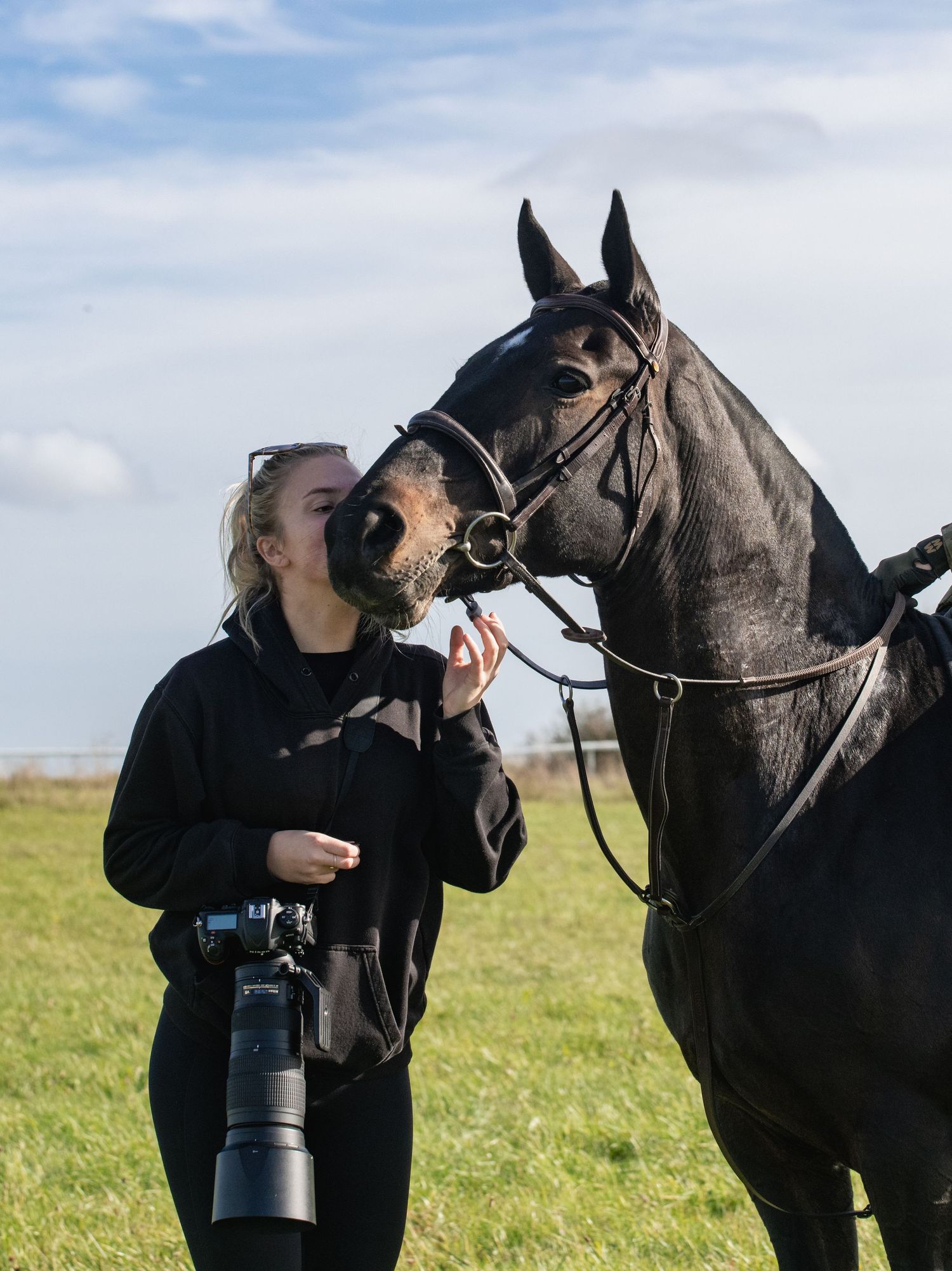
In 2022, I completed a project photographing all horses that took part in the Platinum Jubilee of Queen Elizabeth II, this can be found here:
State Events
In their 75 year history, the King's Troop have taken part in hundreds of ceremonial events, ranging from Trooping the Colour, birthday gun salutes, state funerals and ceremonial guard duties to Horse Shows and Remembrance events across the nation.
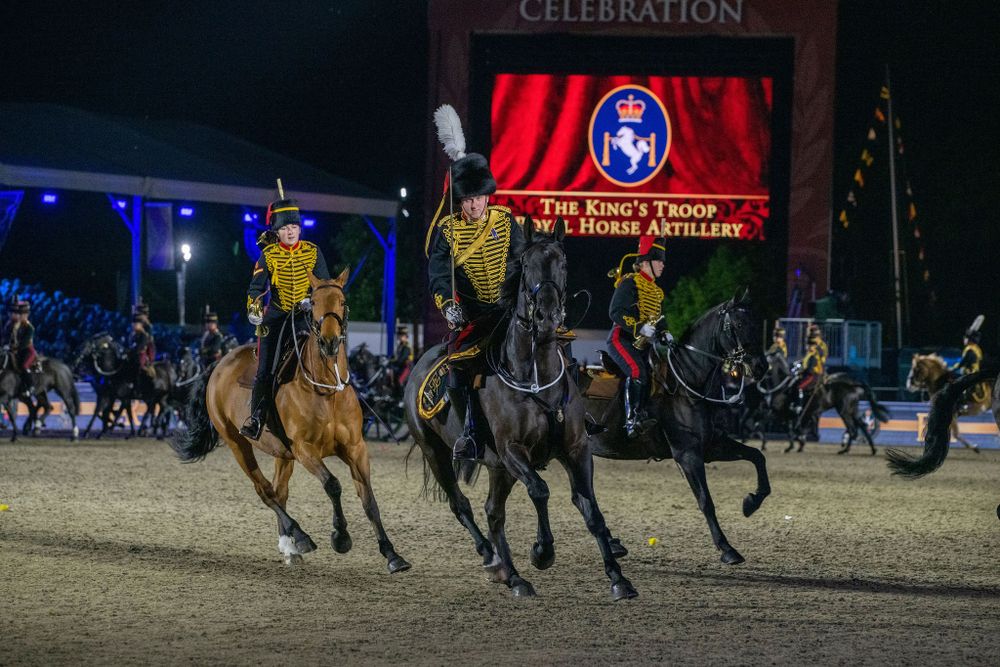
Their famous musical drive is a big draw at Royal Windsor reach year, with the demonstration of manoeuvres at speed followed by a six gun salute.